Your cart is currently empty!
Category: 2022
-
No for an Answer – flash fiction by Gloria Frym
Listen to this story read by the author.
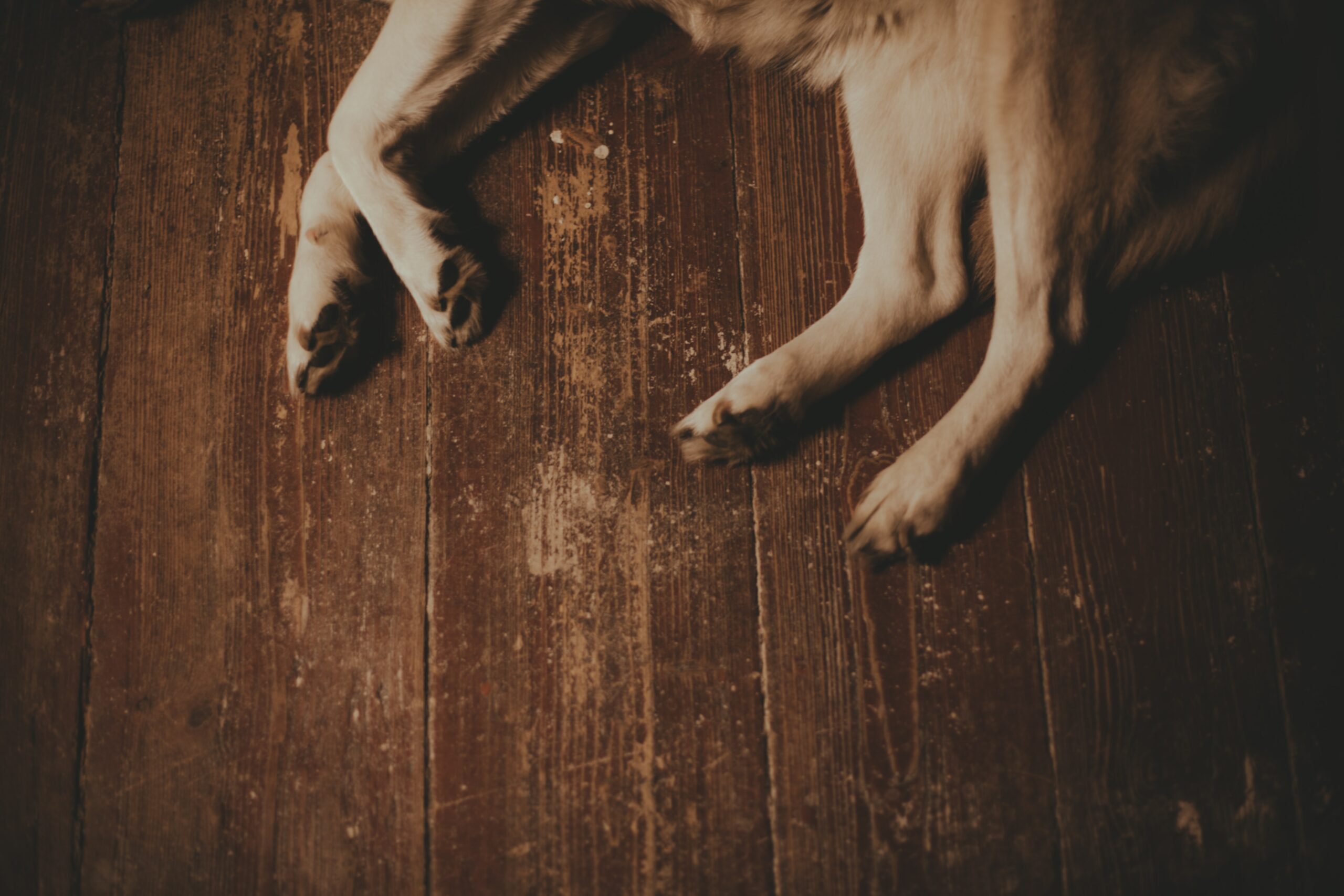
I once knew a woman of a certain age who loved her last dog like she loved her last boyfriend. I say last, because her age played a big part in these relationships. At this stage in her life it was unlikely that she get another dog nor another man. She might get another car but it too could be the final one. Who knew?
As a culmination to a long love life, she loved her last boyfriend as friend and companion. But she did not love him deeply or passionately or madly, and she was content with that type of love, at her age. He was not. He wanted more affection than she could offer. The last dog she would have was a bit like the man. He was the most friendly dog in the world which did not sit right with her. His discriminatory powers seemed to be missing. He loved every dog he encountered and every person. Unless another dog bared his teeth, he was ready to play. Even then, he would try and try again to gain the teeth-baring dog’s attention only to be foiled each time. When they were alone, he was full of kisses for her and when they sat on the couch together at night in the same spot where she once sat with her former man, the dog would lick her arms, even her pants, and move as close as he could to be next to her. If he could have held hands throughout a movie, he would have. This rather diluted her love for him. Also, he was a creature who constantly wanted to do something, rolling around on the floor barking as if to say, What’s next!, wanting to go outside in the most inclement weather, ringing the chimes that hung from the back door handle. He would paw the bells endlessly whether or not he actually needed to go out. He would not take no for an answer. If she did not respond to this signal, true or false, he would cry mournfully until she let him out.
It chagrined her that she did not love this dog as much as her previous dog who was independent, even standoffish. He was more like a cat. He could, as someone said, take care of his needs. He never kissed or licked her. She got used to the understanding between them, she adored him more than some friends, and attended to his modest requirements in exchange for his close presence. He never had a destructive period when he was a puppy, whereas this last dog chewed up the wand to the DVD player; macerated her expensive prescription glasses; ate up several covers of the Paris Review; dug up the newly planted and chomped the irrigation system; fileted several of his plush toys; unraveled two oriental rugs, etc. She often screamed No! at him and spanked him several times with the destroyed object, contrary to the advice of dog trainers. She wondered if her reaction to his early destructive tendencies left an enduring mark on either of them. But no, he remained intractably loving; she was a forgiving person. She had forgiven the men whose infidelities had once caused her unbearable anguish. She had forgiven or forgotten anger toward other persons who had diminished her. No, it was this ultra loving dog. She could not love him fully because his love took up more space than she had for dog love. He was excessive, as though he were sent to her to make up for all the partial loves she had experienced, even the lukewarm love from her children. She almost hated him for exceeding her limits. Though she would often say to him, I love you, as she did to her last boyfriend.
Gloria Frym lives in Berkeley. Her most recent book is How Proust Ruined My Life & Other Essays (BlazeVOX, 2020). The True Patriot, a collection of proses, came out from Spuyten Duyvil. She is the author of the short story collections–Distance No Object(City Lights Books), and How I Learned (Coffee House Press)–as well as many volumes of poetry. Her book Homeless at Home received an American Book Award. She is professor in the MFA Writing Program and the Writing & Literature Program at California College of the Arts.
Editor’s note: When I started Fiction Attic in 2005, I put out a call to friends and colleagues whose work I admired, asking if they would be so kind as to send me something. Frym sent me the flash fiction More Lies, which you can read in the wayback machine on our original website. As with every story Frym writes, I was hooked by the first line: “Rumor has it, this woman goes through dogs,”
Frym remains one of my favorite writers to this day, and I’m honored to be able to publish her work once again. I highly recommend her 2020 essay collection How Proust Ruined My Life. You will find two more stories by Frym in the coming weeks. M.R.
-

We Were Happy
flash fiction by Janet Bohac
We were happy.
We were sad.
One of us died.
Then, the other one died.If asked, I think this is how my parents would tell the story of their life together.
But, of course, that?s why they had me.
To bear witness.They would never tell you about our house, how there was no artwork, only one
gigantic photograph of the Teton Mountains my father ordered from the back of Popular Mechanics or Field & Stream. We never took a road trip to Wyoming or out West, not once, but this photograph dominated the living room wall. My father even made it a nice pine frame with mitered corners and varnish that honeyed to deeper hue over thirty years. No explanation for the presence of Grand Teton in our living room was ever given. It hung facing a wall of mullioned windows that looked out on the drive-in theater across the street where I gave my virginity away and not a moment too soon.We Were Sad
The garden was a thing of beauty. Fresh peas I?d pop from pods. Yellow pear
tomatoes I?d eat plucked from the plants. Plums that mostly fell, uneaten, except by
worms and wasps. A green apple tree to sit in.My chores in the summers included picking strawberries in the morning before
the sun got hot, then coaxing black and red raspberry drupelets from their receptacles,
and drawing down tart cherries where I could get to the highest branches in the four
trees that lined a de-commissioned chicken coop my father used to store lumber and
tools, an old Ford tractor and a riding lawnmower. There were two pear trees. Peaches
never seemed to take. Black cherries were stolen by blackbirds before we could pick
them no matter how many nets or tin pie pans my father hung on the branches to scare
them off.My parents were raised on farms about ten miles apart. My mother?s family grew
mint in the black muck of Rochester Colony near the Maple River which the French
originally called Riviere du Plain. It is an area of farms, roadside ditches, and trees
planted north to south to break the fetch of the prevailing west winds. On my father?s
farm they ran around all summer without shoes to save money. It was The Great
Depression. They only butchered meat when it was cold enough to keep and a two-
seater outhouse still was in place when I was a kid. There was a chicken coop out back
and I had to steal eggs from the hens when I stayed with my grandmother if I wanted
eggs for breakfast.I stayed with my father?s mother when my mother had her nervous breakdowns
so my father could work his summer job. How many times I can?t say. Some were before my memories began. Some I?ve blocked out. Let?s say every two years? Every six? I?m not even certain it started with postpartum depression, though I?m sure that was one of them. I know my mother had some trouble finishing high school, an unexplained delay or absence. In later years she mentioned an old neighbor who frightened her, who gave her an orange in the winter. When she was much older she referred to her time in locked psychiatric wards as the time when she “got down with flu.”One of Us Died
When my father?s Chevy Lumina was plowed into by a gravel hauler, he was on
his way to find my mother. I had become her guardian by then in a court appearance
three weeks before where my father appeared in soiled pants and filthy undershirt. It
wasn?t clear he understood anything that was said during the proceedings, and yet a
neurologist later that same day said he passed the mini-test for dementia and so she
couldn?t recommend his driver?s license be revoked. He drove two hours west, trying to find the hospital where my mother had been admitted, and I think he finally gave up
when he saw the gravel hauler coming and thought, “Fuck it” and pulled out onto the
highway.Three days later the doctor in the ICU stood next to me and asked, “If something
were to happen tonight . . .?”I think he might have prefaced it with the idea that they would be taking my father
off the ventilator, but I was suddenly alert and aware this was not a hypothetical
question. “He?d probably be pissed off if you didn?t try to save him once. But after that,
let him go.”There were tubes coming out of his head, and clots of blood moving through the
tubes. Closed-head trauma was what the death certificate said the next day.
Every Easter we drove to Florida for spring break. On the way we?d stop in
Nashville and go to the Grand Ole Opry at the Ryman. I would fall asleep up in the
cheap seats, the music of Skeeter Davis and Kitty Wells and Minnie Pearl?s? “How-
DEE!” echoing in my ears.My mother played guitar and sang duets with her sister Ann Mae at the drive-in
picture shows where they grew up. Sometimes she sang a few bars of “Please release
me, let me go . . .” and then had to hum the rest. Whether this was because of the
Thorazine or ECT or just regular memory loss, I can?t say. I know she twice threw away her wedding rings in fits of pique at my father, so maybe it was memory that silenced her. She stopped playing guitar altogether at some point, but hung onto the Gibson J she was given as a high school graduation present. My father seemed to hate it when she sang in later years, although I?ll bet that was one of the things that had attracted him early in their short courtship. Sometimes she sang “Fascination turned to love . . . “ by Nat King Cole. I sold the guitar a year before she died when I took one lesson and knew I?d never want to play for real. My father never sang or answered her in kind, but it was the money he left that paid for her eight years in a nursing home after he died.
Then, The Other One DiedSo, yes. They were happy. They were sad. He died, then she died. It was
important to her that she be buried in the little cemetery near Rochester Colony where
her parents, and sisters, and brother were buried. She was terrified at the thought she
would die first and be buried with my father?s family. I can?t remember how I knew that or when we would have had such a conversation, but when my father died, the first thing I did with her estate was buy her plot, her funeral, and a headstone. When I asked her if she wanted to see a picture of it, she looked coy, then said yes. The lunch after her funeral service was held in the hall of the same church, St. Cyril?s, where they had been married. The ceramic urn with my father?s ashes–he had no stated burial preference, only said, “Not going,” when asked for comment about death–got tucked into her casket at the last minute, stuffed in at her feet, as the funeral director closed her in.Perhaps it was one time in all the years we discussed my remaining single.
“Too damned independent,” my father decided. It was he who had paid my
expensive undergraduate tuition despite the pittance he earned as a public school
teacher and a summer job coach.It was after he left the room, my mother said, “It?s because of us,” and we just
looked into each other?s eyes.
Janet Bohac’s fiction has appeared in Palm Circle Press’s 2021 Short Story Anthology.
Read and share this story on Substack.
Click “Surprise me” to read more flash fiction.
-
Upstairs with Ann Zandi — three micro fictions by Deena Lilygren
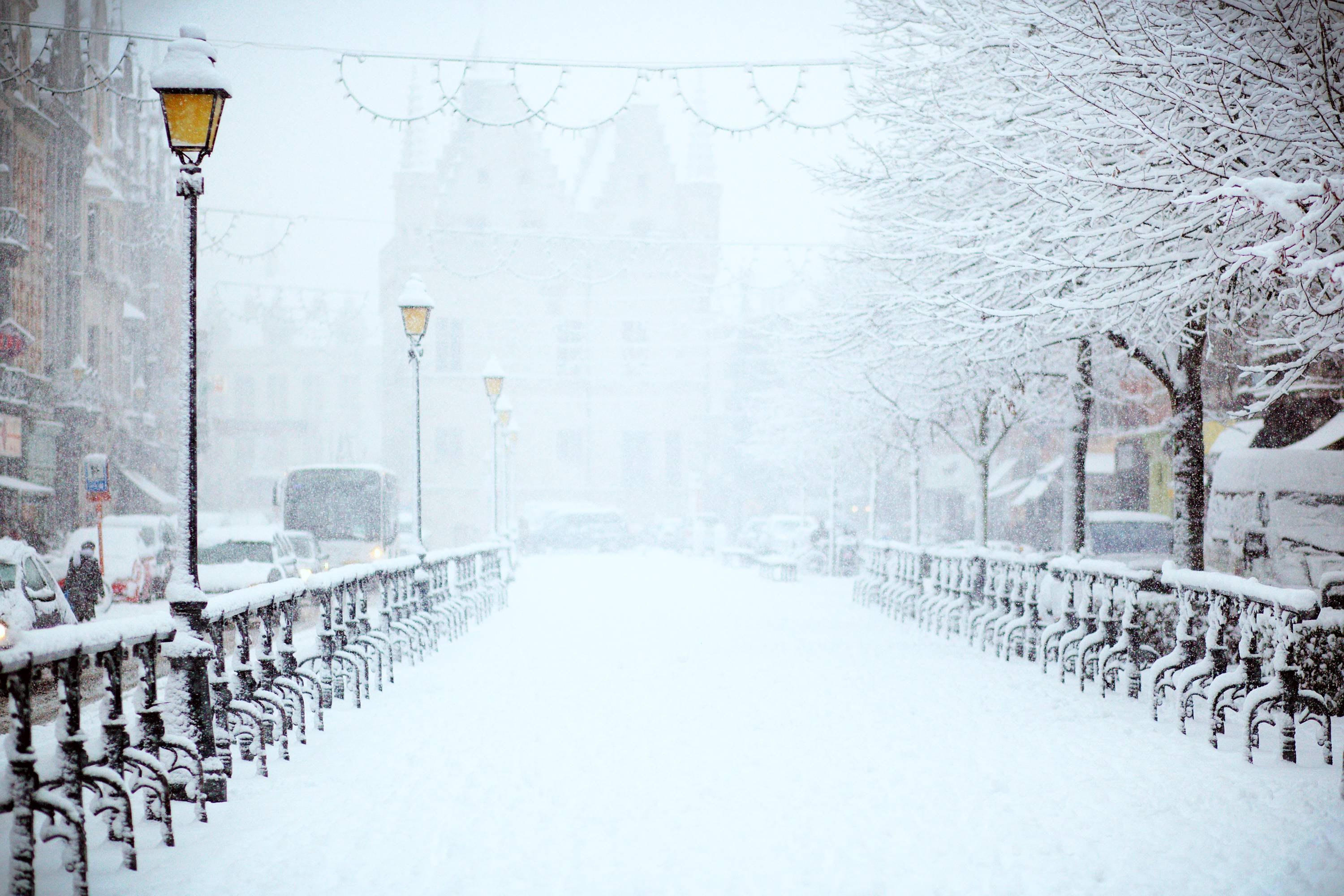
image courtesy of flip bunkens via unsplash to the hitchhiker who told me I shouldn’t pick up strangers
First of all, it was the polar vortex and you looked half-dead hunched there on the shoulder like an awkward walrus. You couldn’t even get your thumb out of your pocket. Secondly, you may feel large in your coat and scarf but how tiny you are from a distance, slow-moving and utterly unthreatening—certainly more vulnerable than I with two tons beneath me and the span of the steering wheel in my hands.
upstairs with Ann Zandi (last supper)
Spring cleaning always makes me tell this story, which takes place during the cold months and isn’t a story at all. It’s a decorated room, nothing more. The walls are stage-curtain red, lit by a gold-fringed lampshade and cable TV. Onscreen, iCarly and pals are having a hot dog eating contest. Someone has cheated at the contest but will shortly see the error of their ways. A joint lies ready on the coffee table, a crisp modern line against a plate of lumpy homemade mocha cupcakes. The window opens and the last few items are placed: lighter, decorative laugh track, and eventually, in the spirit of minimalism, a frosting bowl and two spoons licked clean.
late afternoon lecture
The kid in the fourth row is asleep. I say asleep rather than sleeping to imply a sort of cozy, lost agency; sleep is something that happened to him. He positioned his elbow to prop chin in hand, and then sipped at sleep in tiny drips until he was effectively drowned.
It’s not his fault. The room is quiet, just papers shuffling and my monologue about signal phrases. People pay for this kind of peace, of which he is an integral part, our pet spaniel curled at the hearth.
Somewhere in the world, this young man’s doppleganger is dressed for war, mindful of predators. Here, our safety is a marvel; we can leave our bodies and expect to find them intact when we return. He twitches; my warning about proper in-text citations is a sudden tug at his ankle, but not enough to bring him back.
Deena Lilygren lives in Louisville, Kentucky, where she is an Associate Professor of English. You can find her work in LEO Weekly, Queer Kentucky, Huffington Post, 94 Creations, and Okay, Donkey.
-
On the Day of the Flood — flash fiction by Batool Alzubi
- Sundus and I first met in middle school. We became friends not because we got along, but because she was new, afraid, and out of place. New people rarely came to AlNajem school, and when they did, it was their parents who sent them there them to change the rebellious nature of their personality. Our school was dull and small, and all the new people looked the same: shocked, processing how they ended up in the gray and pink uniform. Sundus’s mother wanted Sundus to be better, reserved and smart, but the school only reminded Sundus of what she didn’t want to be, reserved and smart. I knew who I was supposed to be too, but I also didn’t know who I wanted to be. I used Sundus to understand life and I helped her in her attempts to experience life outside of the school’s gate. She met Sami, Moe, and many others, and when she returned with her unfixed braid and her smirk, she described to me what was outside the gate. “There is a narrow street that leads to a boys’ school, and they stand outside of it, not like us,” she said. “Join me, next time.” I never agreed to join her because the images she created in my head were enough, and I always thought of the part when she gets caught, but she never did.
- Before the flood, and by the end of our senior year, Sundus had dated 11 boys from the boys’ school at the end of the narrow street. Her longest relationship was three months with Moe. She felt like he could be something more than a boy from the boys’ school, but Sundus’s plans to run to a different country after graduation ended the relationship like the ten others before. I learned about Sundus’s escape plan on a Thursday during January. Her family vacationed in a cabin every May, and from there, she would escape to somewhere, anywhere that was still not determined. When she told me her plan, I feared the part when she gets caught, but she never did.
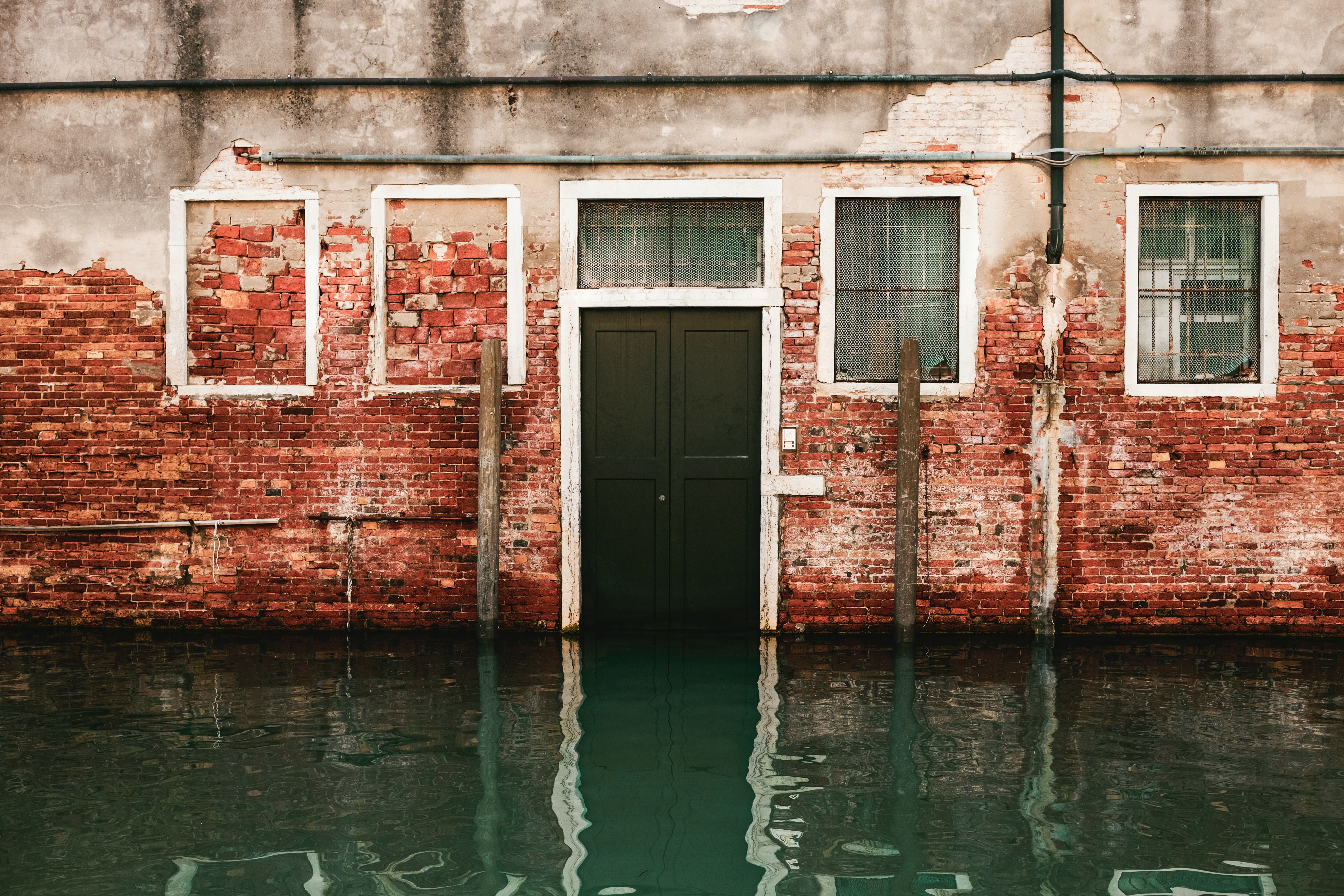
- On the day of the flood, I helped Sundus escape during our PE class to meet Moe, again, at the end of the narrow street. She was supposed to end things with him and cried in the bathroom before I watched the school’s gate for her. It started raining before the morning bell as we sat in the playground. Our gray skirts transformed into a shade of darker gray when a raindrop fell on them. We were aware of the floods, they would happen every few years but only killed ten or eleven people, and it was never people we knew. Our city was built without storm drains, and when it rained, it only rained for an hour or two. It never was an issue, but on the breakup day, it rained all day. We were moved to the school’s roof when the flooding rose. I sat, waiting for Sundus to make an appearance. I didn’t betray her and stayed silent about her leaving the school’s gate.
- After the flood, when the water drained, they found her body. She appeared in my dreams with her unfixed braid and wet gray skirt. She confirmed that she escaped and the body they found was just a girl who looked like her. After all, we were all the same.
Batool Alzubi is a second-year English PhD student with an emphasis on creative writing and Middle Eastern Literature at Oklahoma State University. Her work has appeared, or is forthcoming, in Bacopa Review, Santa Ana River Review, and On the Run.
-
After – flash fiction by Aimee LaBrie
We miss them, the men. We miss their stomping feet, their honking noses, their hearty exclamations. We miss hearing their voice first in a crowd. We miss the space they take up. We do not know what to do with our arms and legs if we are not tucking them closer to our bodies. We miss their need for attention. We miss their egos; egos you have to hold in your hand like tiny quail eggs.
We miss admiring them, their back flips, their wheelies, their conquering, boot covered legs plowing forward in foreign lands, machetes whirring, the paths they cleared, the stones laid end to end, the castles walls built with blood and labor. We admire the windmill, the grindstone, the axe splitting wood, the holes dug, the poured cement, the roads paved. We admire their ability to gut a fish, to disembowel a deer with one swift slice, to whittle away the fur of a forest animal for warmth. We are thankful, we give thanks, even as we breathe a little more easily, wonder what might happen without them. What might we discover?
When they disappeared, we decided to give them a service. We threw open our wardrobes, but weren’t sure what to wear–the thigh length black skirt, the long one that nearly dragged on the ground, the short, short one that our fathers had forbidden. We looked at our shoes, the heels, the clackity-clacky sandals, and wondered what to wear, surely not our mother’s worn out Naturalizers with the beige soles?
Juli had the hardest time getting dressed. She said, “Like, I don’t know. Like, I don’t know what to pick.” She threw a black Spandex dress toward the fireplace. “Who am I dressing for with this macrame tank top?”
We couldn’t answer. We didn’t know either.
At the church, we lit a huge bonfire, using wood from the pews to get it started. We threw in their flannel shirts, their Carhart pants, their t-shirts from the GAP which went up in a bright burst. We bowed our heads, dark smoke swirling in the air like a swarm of bees.
Marianne volunteered to say a few words. She was the closest to them. She too had sideburns and wore suspenders. She walked with a certain swagger that made her stand out. “Dear Men,” she said, hands folded. “We wish you well.” An ash flew into her eye. “I’m not crying,” she said, wiping at her face.
We looked at one another. We vowed not to shed another tear. Really, what was there to cry about?
Bets staggered up from the main house. She was topless, dressed in just her raggedy underwear and knee-high athletic socks. Bets always took things too far. She howled, “I miss him.”
“Who?” we asked. “Which one?”
“Him! Them!” she said, stomping her socked feet.
We went back to our houses; houses that still carried their sinewy smells, still echoed with their morning coughs filled with phlegm.
Slowly, we have come to realize there will be no more dad jokes, no more soccer games on TV with the buzz of a thousand men cheering on their teams. We are starting to forget what it was like to walk with car keys laced through our fingers at night, how it felt to play possum in the bedroom when our husbands returned after bowling with the boys. Our bodies—should we be eating more or eating less? All of our favorite war programs and murderous TV shows have vanished, leaving only Fleabag and Killing Eve. No one remembers the rules to beer pong. The guns we fashioned into lamps, the tanks we converted into saunas, the basketball hoops we used, because we still liked to play basketball.
Every day now, we check our bodies for sadness, feel the bones of our arms, touch the skin on our legs, put our hands over our stomachs, feeling the twitch of our guts. Are we still okay? Will we survive without them?
Yes, we hope so.
Yes, yes, yes, yes.
Aimee LaBrie’s short stories have appeared in the Minnesota Review, Iron Horse Literary Review, StoryQuarterly, Cimarron Review, Pleiades, Beloit Fiction Journal, Permafrost Magazine, and others. In 2020 her short story “Rage” won first place in Solstice Literary Magazine’s Annual Literary Contest and her novel in progress won the Key West Literary Seminar Emerging Writer Award. In 2007, her short story collection, Wonderful Girl, was awarded the Katherine Anne Porter Prize in Short Fiction and published in a small print run (University of North Texas Press 2007). Her short fiction has been nominated three times for the Pushcart Prize. In 2012 she won first place in the Zoetrope: All-Story’s Short Fiction Competition.
-

Saldaña Roca’s Magical Mushrooms — flash fiction by Martin Weissgerber
photo by Evan Wise via unsplash I’ve taken a long break from writing. Feels long perhaps, but it’s been a little less than a month. I’d like to say I spent that time in a constant state of reassessment. Others may even claim I did. But really I did very little – I didn’t even sleep much, and on the days I felt particularly inspired, I cleaned, faithfully committed to what I now seem to do daily.
In that time it got warmer, still no assessments or reassessments were held, and I got sunburned with two German diplomats who recounted in mellifluous voices the time they spent in the German embassy in São Paulo. But it’s nothing like Hellada, they repeated again and again, as the sunspots on their backs grew rounder and rounder, disk-like and pronounced, like their maker above.
Instead of writing, I swam, hiked, drank, wasted the weekdays working, and met with a group of radio producers from Vienna, summoned from the unblemished avenues of their city to the rugged, lacerated streets of Athens for a vacation.
Since the rest of my time was wasted watching television, I made myself a new set of resolutions, quixotic and untenable, though commendable in their own right, which will perhaps make time scurry on, quicker than before, simply because its hollowness has been replaced with some fresh pursuit, unrealistic as it may be.
I need resolutions, because in a few weeks, Saldaña Roca, the greatest horticulturalist to have ever lived, as well as one of the world’s most decorated pacifists, will arrive to dissect the colossal mason jars full of mushrooms he left behind in my freezer about a year and a half ago.
He is always aghast when I speak of wasted time. He eyes my self-deprecation with a feral look, asks why every moment must be productive. Yet somehow, he always moves, always does. What does it mean to do? he will ask, as the plants around him regain their composure. Electrifying, jolting as ever, Saldaña Roca’s energies still make the leaves around him shudder: they are, after all, in the presence of a great cultivator.
When he forgets the eternal debates and the questions, and ignores the clamorous dialogue unraveling in his mind, Saldaña Roca is still a man who does, and this is just the issue. He picks locks with one hand, curates collages for the walls of his next home in his sleep; he cuts his garlic with razor blades, a book propped open before him, leaning on a sack of lemons, so that he reads and chops, reads and chops, until either the book is read, or the head of garlic diced.
I’ve noticed he sucks on screws throughout the day, as he paints banners, then hangs them from abandoned buildings while cops below roll their cigarettes. There is always a cat on his back when he conjures up a batch of fresh wheatpaste, or when he cooks and reads. In the summers, when our tomato plants are left to the heat’s tirades, Saldaña Roca takes them and turns them upside down, protecting them from the sun’s rays like some benevolent king of all gardens, although he has no interest in such a title.
Here, I’ve lost my way, and forgotten where I left off. In lieu of a climax, I will offer a question: Saldaña Roca always does, yet he never gets angry, never feels rage–who has heard of such a thing? Are mankind’s deepest wounds not often the littlest cuts, incipient moments of rage directed at the most banal of obstacles and inconveniences? No, Saldaña Roca cruises through the madness of aggravation, unobstructed by a world that feeds on rage.
A brief tangent before we reach the crux of the issue at hand. We conjured many fantasies together, Saldaña Roca and I, on the nights we sat outside to smoke, when the third floor of his house nearly collapsed from the weight of his ashed cigarettes. Both of us found solace in maps, in the gridlocked monotony of America’s blighted streets. Molding memory with expectation, we visited first the major cities, the crossroads, the shadows of industry: Detroit, St. Louis, Memphis, Pittsburgh. Eventually, we grew more remote in our discoveries: Youngstowns became Cairos, Flints became Highland Parks, Garys became Bethlehems, until the cities grew smaller and smaller, until the destruction, the blight, grew more desolate, more cruel in its fabrications.
But Saldaña Roca visited these places too, and in them he envisioned gardens. Yes, Saldaña Roca, celebrated horticulturist with an aquiline nose and two sensitive front teeth cruises through the muteness of America’s dead cities and sees only gardens–rooftop gardens, upside down gardens, balcony gardens, stoop gardens, until gradually, the furor of smashed brick is replaced by prickly pear and mango trees, greens and umber browns as far as the eye can see.
I await now, after weeks of doing nothing, Saldaña Roca’s kaleidoscopic eyes looking me over, asking me what it means to do. He will rummage through my freezer, a cat from the street perched on his back, searching for mason jars full of mushrooms, and when I tell him, gingerly, that they are gone, that they were all eaten by a troupe of Viennese radio producers, who came by to swim and left high as kites with stomach cramps, I will expect him to be calm, soothing in his frustration, because what is his is mine – he has always told me that – and what is in my house is as much mine as it is his, and who can blame a drunkard for going into the freezer, on a day when the sunspots on his shoulders dance with the onset of spring, looking for a few mushrooms?
Part of me is trained, seasoned, to expect anger. For how many years can one traverse worlds–Bethlehem to Bethlehem, Cairo to Cairo, namesake to namesake–without feeling rage? Is it self-indulgent to believe my loss of the mushrooms, after a compendium of similarly calamitous yet meaningless events, will be the straw that breaks this camel’s back? He will be angry, I tell myself, I’m sure of it.
A trip to the mountains ought to help. I bring with me an upside down tomato plant, a cat accustomed to standing on backs, and an already-opened bag of frozen dumplings. My freezer is left behind, empty. The walls of my apartment, which was was once his apartment, bear the traces of an anarchic past – cracks in the walls, flowers in those cracks, orchids from colder times, picked locks, discarded screws, because what was his, is now mine, and I have every right to do what I want with what-was-his-is now-mine, even if it means giving mushrooms to a group of Viennese radio producers who have just told me that with the right amount of psilocybin they can levitate.
I convince myself of this, I do. For one night, I even feel reassured. I feast on the half-frozen dumplings in celebration. But the week drags on, my friend’s airplane lands, and despite my assurances, my dumpling-filled, freezerless hibernation does little to assuage the burgeoning fear of Saldaña Roca’s virgin rage.
Martin Weissgerber currently resides in Athens, Greece, where he teaches 5th Grade at an international school. He studied history at Boston University and supplemented his studies with forays into Russian literature. In his free time, Martin hunts through English language bookstores for novels by his favorite authors, stumbles across new, unexplored parts of the city, and tries to swim year round, even in February, when only the hardy grandmothers still tread water along the coast. At the moment, Martin is working on a novel as well as a collection of ten short stories.
-
The Electric Is-ness of Life — flash fiction by Michele Wong
Constellation of the Lonely
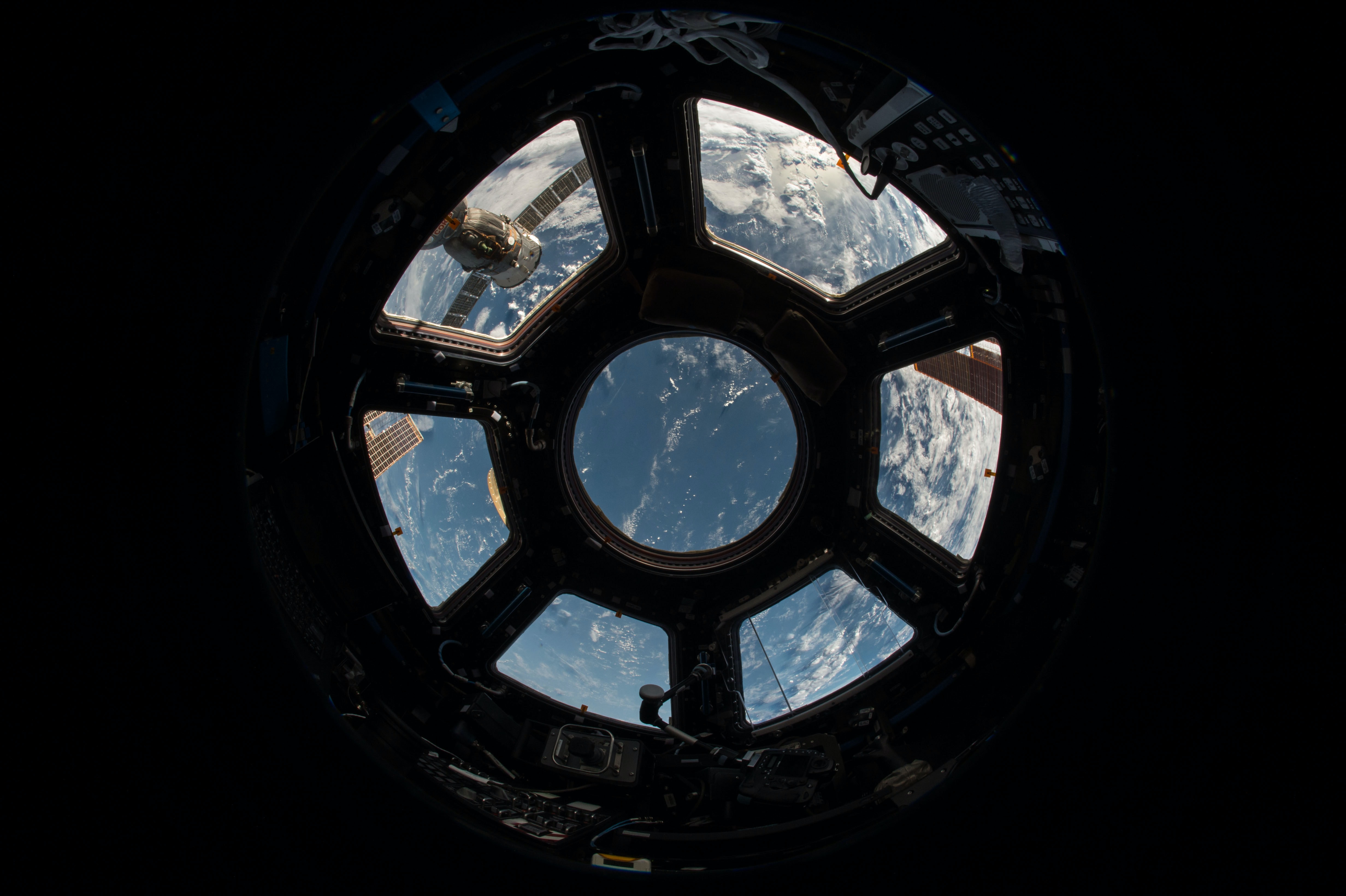
Channel 6 filmed her playing the Erhu upside down in the airlock.
Later they showed her eating noodles with a fork. The noodles were made into another GIF and were seen dancing Tarantella with some rigatoni.
For literature, I wanted to write about love and the redness of a rose. But she instructs me, “That’s a predictable metaphor, go find a Cassia. It’s made of flowers that spread out like Cassiopeia.”
When I google, I learn this constellation is made of 5 stars spread out in the shape of a W, the first letter of my nickname. Mama calls me “Wing It” because I do things last minute. I tell her it’s because I’m more heart than head. She replies, “That’s no way to be a scientist.”
I curse the December sky whenever I see the neighbouring family tobogganing. They’re terrifyingly smiley and snow makes me lonely.
Stardust Blessing
The night before Mama’s second space mission, she gave me a surprise. “Something from the heavens.”
I excitedly took the bottle which I’d assumed had come from the ISS.
“What we all come from,” she said looking up at the glittering stars.
I was expecting stardust to be sparkly, not this blackened soot. But I guess that’s to be expected from anything suffering burn-out. I see the attached label and read.
“Montana?”
“Yes it’s from meteorites collected by a Montana Laboratory.”
After Mama left, I played around with my make-up kit and wrote a new tag for the bottle—“Star dust from outer space”.
I refused when Mrs. Kowalski suggested we place the bottle with the school laboratory collection which displayed various fossils, one formaldehyde rattlesnake and a bald eagle feather. At recess, everyone lined up for a stardust blessing, and so I secretly knighted them with Mallofusa metallic eye-shadow.

The Electric Is-ness of Life
Mama’s been gone for a hundred days too long. Last month on TV5, she was filmed installing batteries outside the space station amidst a sheer black sky. Magnifique! the Quebec reporter exclaimed.
Papa left in the middle of the broadcast while Nana was making rice dumplings. He floated into the house of his lover while Mama floated into the ethereal thrum of space.
When Mrs. Kollwitz asked me to explain space for our science presentation, I brought a box of emptiness. I explained we’re more space than electrons and asked may I teach some meditation?
Why don’t you tell us about astronaut life? She replied like all the other teachers.
My room is a forest mausoleum. I collect centipedes and press the wings of dead dragonflies. These go with my collection of skeletons of shrew moles and sparrows. Each gossamer wing or hawk feather is a page to the book of being. Mama emails why don’t you study the living? Write a journal on the pines of our pine trees or the hum of the hummingbird, things that breed and breathe life. I tell her I can’t be weighed down by the gravity of doing; she replies that’s no way to be a scientist.
As Mama studies her pear tree in microgravity, I breathe in the molecule of shrew mole and burrow the sweet softness of earth. At night, my nerves vein into the quills of hawk wings, lifting me past the sheerness of clouds. Unburdened by telescopes or microscopes, I inhabit the electric is-ness of life.
“Wash rice before cooking.”
“Be still less, produce more.”
Always I reply, “Yes, Mama,” as I feel the earth and sky with my hands.
Michele Wong was a winner in CityTV’s Vancouver’s Story Initiatives. She’s had honorable mentions in the Lorian Hemmingway & Writer’s Digest Short Story Contests, was a Tobias Wolff Award finalist, was long-listed in the Bath Flash Fiction & Fish Short Story & Fish Flash Contests. Her writing has been or will be published in the Bath Flash-fiction anthology, ScribbleLit, 101.Org & Blue Mountain Review.
-
Waiting Period – flash fiction by Sarah McKinnis
The five of us drive four hours back from the clinic in Sioux Falls, switching the music from Hozier to Tracy Chapman to the Avett Brothers and pretending we’re on a road trip. We stop finally at the gas station outside of Gettysburg, the one next to Bob’s Motel, and I take a lap with Bre around the pumps, our sneakers kicking up thin trails of sandy brown dirt behind us. The air is hot and so dry that I feel the moisture on my face and still-sweaty palms evaporate. She doesn’t ask about the appointment and so I don’t bring it up and let my thoughts churn inside me instead, wondering if I’ll go back in seventy-two hours. Hunter comes out of the c-store and hands me an ice cream sandwich and says eat this, and Kayson finishes filling the tank and pays and motions for us to get back in the van, so we do.
I want to say thank you to them, for coming with me on this long trip on a Friday when they could all be working, but my throat is dry and the words stick in my mouth. We drive over the skinny truss bridge and then to the riverbank where we walk across the concrete slab and sit on the gravel on towels that Kayson tosses us from the trunk, and look at the white-hot sky around the sun, which won’t set for another hour and a half now, and the flat surface of the river in front of us and the rolling prairie hills on the other side. And we talk about things that don’t matter and pass around a bag of chips, until Marina asks me if I believe in God and I say I don’t know and think of the quote that Mr. Jay wrote on the board in high school from Life of Pi, to choose doubt as a philosophy of life is akin to choosing immobility as a means of transportation, and I think that if I had to stay here forever, immobilized by my doubt, it wouldn’t be so bad.
Sarah McKinnis is a recent Yale graduate working in the nonprofit world and pursuing a career in law and policy.
-
The New Kick – flash fiction by Kayla Czaga
Photo courtesy of Geert Pieters @shotsbywolf via unsplash Last Thursday at the bar, while we were fumbling out our wallets to pay, Michael started telling us about the new kick he’s been on. Michael’s the sort of guy who’s always on a new kick, at least since he and Evelyn split up three years ago. You might say that being without Evelyn was Michael’s first kick, since they’d been together since the fifth grade and it’s only adults who go on kicks whereas kids just kick stuff.
Michael has had all the regular kicks—a health kick, a yoga kick, a therapy kick—and lately he’s been branching into some less standard kicks like lapis lazuli and kimchi. Now we love Michael, we really do, we’ve been pals with him a long time, but we made nervous eye contact as soon as he said, “Guys, I gotta tell you about this thing I’ve been trying.” Leon’s jaw visibly tightened and Ritchie coughed.
The thing is, Michael isn’t the sort of guy who just goes on a kick and is happy doing his weird little solo side quest until he gets sick of it; he likes to get us involved. You could say he’s evangelical by nature. And we’ve been good sports. We’ve gone to spin classes. We’ve shared warm details about our mothers. Hell, Michael even convinced Josh to convince Tracey to let him go to a good men retreat and the two of them came back wearing hemp bracelets.
The problem is that these kicks only seem to change things for us and not for Michael, which is why he’s always onto the next one. But we’ve gotten mixed up, emotionally and physically. It’s been a rough few years. We’ve put out our backs. We’ve gained and lost a collective eighty pounds. Some of us have had manicures. Gene’s rash has been flaking since October. Leon’s dead grandmother asked him to go to Thailand to find her lost cousin. Our partners are running out of patience. Our siblings are demanding we stop interfering with family dynamics. Poor Ritchie’s sick of the fold-out couch. We’re having all these insights about our childhoods on public buses. Michael has not changed a bit, but we’re different. And we hate it.
So, as soon as Michael reached for his phone to show us the photo of the thing we all had to try, we stood up. Maybe Michael’s kicks had finally worked, had finally inspired us to try something new, to take control of our lives. It could’ve been the beers, but we felt good. Powerful.
Bruce puffed out his chest like the brave man bear we knew him deep down to be and hoisted Michael up by the armpits.
As Michael’s eyes grew large with fear and he demanded to know what was going on, Leon pulled the paper bag over Michael’s head, covering those wide eyes and that same old big mouth.
“Guys?” Michael said, as I grabbed his ankles and Josh grabbed his wrists and we carried him like a pig on a spit through the bar.
“Guys,” he pleaded as we manoeuvred him like a sofa out the bar’s back door, chanting, “Pivot,” and into the alley.
“Guys, stop it!” Michael shouted. But we were only starting our kick. Our kick was just beginning.
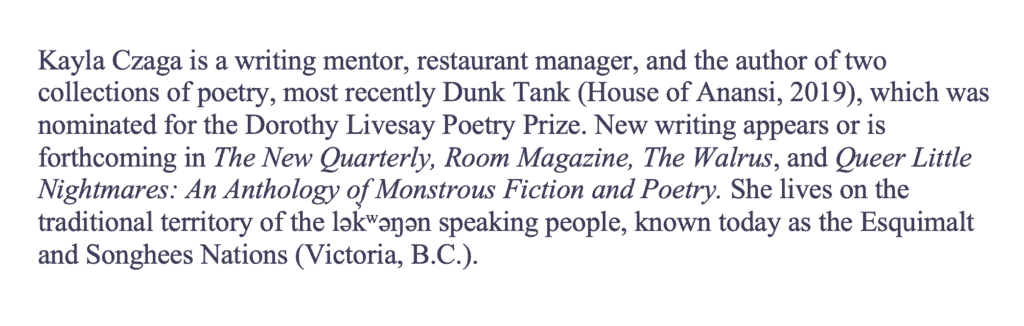
Buy Kayla Czaga’s books, Dunk Tank and For Your Safety Please Hold On, at bookshop.org.